
Extend your outdoor cooking experience with our range of heaters and chimineas. Our gas chimineas feature built-in griddles: combining warmth and functionality, these stylish pieces let you grill, sear, and sizzle while keeping your guests cosy. Or our new gas heater offers instant heat for those late night gatherings. Prefer wood? We've got a range of stylish wood-burning chimineas too. Perfect for year-round entertaining, they bring a rustic charm to any garden setting.
UK Customer Services Mon-Fri 9-5
UK Customer Services Mon-Fri 9-5
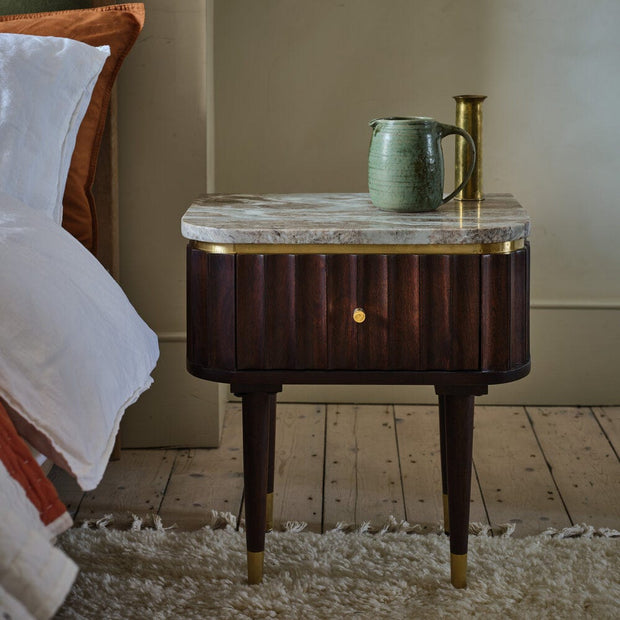
Bedside Tables
Shop Now
Furniture & Sofas
Inspiration
Shop by Collection
Shop by Material
Byron Collection
Shop Now


Outdoor Heating
Frequently Asked Questions
What's the difference between a chiminea, a fire pit and a patio heater?
While fire pits and patio heaters each have their place, our chimineas offer a thoughtful balance of style, warmth and practicality that’s hard to beat for British gardens and patios.
Focused warmth with less smoke
Unlike open fire pits, our chimineas channel smoke up and away through the chimney stack, keeping seating areas clearer and more comfortable. This makes them especially well suited to smaller patios, courtyards and sheltered spaces where smoke control matters.
The enclosed design also helps retain heat and direct it forward, creating a cosy pocket of warmth ideal for intimate evenings and relaxed entertaining.
Efficient, natural heating
Compared to gas or electric patio heaters, a wood-burning chiminea offers a more natural, energy-efficient form of outdoor heating. Cast iron models, in particular, store and radiate heat effectively, while the ability to use seasoned wood or smokeless fuel keeps running costs down.
There’s no dependence on gas bottles or electricity, and with the right fuel, a chiminea can be a more sustainable choice for regular use.
Compact, decorative and versatile
Our chimineas double as both a practical heater and a striking garden feature. Their compact footprint works beautifully in smaller gardens where a large fire pit might dominate, while the decorative designs add character to patios and terraces.
Many models can also be used for light cooking with a simple grill grate, giving you extra flexibility for summer evenings.
Why choose a chiminea?
- Better smoke control than an open fire pit, thanks to the chimney design.
- More atmospheric and natural than a gas or electric patio heater, with no ongoing fuel costs.
- Compact and space-efficient, ideal for smaller outdoor areas.
- A stylish focal point that enhances your garden as much as it warms it.
For gardens where style, smoke management and efficient, cosy warmth matter most, our chimineas offer a beautifully considered alternative to fire pits and patio heaters.
How far should a chiminea be from the house or fence?
For safety and to protect your home and garden, we recommend placing your chiminea on a flat, level, fireproof surface such as concrete, stone or paving, and keeping it well away from anything flammable.
As a general guide:
Position your chiminea at least 3 metres (around 10 feet) away from your house, fences, sheds, trees and other structures.
Avoid using it directly on wooden decking, grass or near overhanging roofs, pergolas or screening.
Ensure the chiminea is in an open area with good airflow, and where the prevailing wind will carry smoke away from seating areas and neighbouring properties.
Always keep a clear ‘safe zone’ around the chiminea where children and pets are not allowed, and never leave it unattended while in use. With careful placement and a little common sense, your chiminea will provide many evenings of safe, cosy warmth.
What can I burn in a chiminea?
For the best results and to keep your chiminea in great condition, it’s important to use the right fuel.
Best fuels for your chiminea
- Kiln-dried hardwood logs – These are the ideal choice. They burn cleanly, produce less smoke and create a pleasant, natural flame. Look for logs with a moisture content below 20%.
- Heat logs / manufactured fire logs – Made from compressed sawdust or recycled wood, these are a convenient, low-smoke option that burn consistently and are well suited to chimineas.
- Charcoal – Can be used, particularly if you plan to do some light cooking. Natural lump charcoal is preferable; avoid briquettes with additives. It’s best to start with a small wood fire, then add charcoal once the embers are hot.
What to avoid
- Wet, green or unseasoned wood – This creates excessive smoke, burns poorly and can damage your chiminea over time.
- Softwood – Tends to spit and spark, which can be unpleasant and potentially unsafe in a chiminea.
- Paper, cardboard, leaves or garden waste – These produce smoky, uneven flames and can release harmful particles.
- Treated wood, painted or coated materials – Burning these can release toxic fumes and is not recommended.
- Household or business waste – Never burn packaging, plastics or any chemically treated materials.
- Flammable liquids – Do not use petrol, paraffin, lighter fluid or other accelerants, as these can cause dangerous flare-ups or explosions.
A few extra tips
- In Smoke Control Areas, make sure you use authorised fuels or an exempt appliance to stay within local regulations.
- For clay chimineas in particular, avoid very high-heat fuels such as smokeless coal, which can generate excessive temperatures.
- Always allow the fire to burn out naturally where possible; avoid dousing with water, as sudden temperature changes can cause cracking.
With the right fuel and a little care, your chiminea will provide many evenings of safe, smoke-free warmth and atmosphere.
How much heat does chiminea give off?
Chiminea heat output
A chiminea produces strong, radiant heat from the fire inside its body, with warmth directed mainly out of the front opening. Metal designs, such as cast iron or steel, tend to give off more intense, longer-lasting heat than clay, as the metal absorbs and radiates warmth effectively.
- Best for creating a focused, cosy pocket of heat in front of the chiminea.
- Ideal for smaller groups or intimate seating areas.
- Heat output varies with the size of the fire and the amount of fuel used, but a well-stoked chiminea can comfortably warm several people sitting close by.
How do I clean and maintain a chiminea?
- Keeping your chiminea clean and well-maintained will help it look its best and perform safely for many seasons to come. A little regular care makes a big difference, whether you have a clay or metal design.
After every use
Allow the chiminea to cool completely before cleaning.
Remove ash and debris from the firebox using a small shovel or brush. For cast iron models, it’s best to do this after each use to prevent moisture and rust.
If you’ve been cooking, give the grill or grate a quick clean with a wire brush and mild dishwashing soap, then rinse and dry thoroughly.
Periodic deep clean
Remove ash and debris after every use.
Once a month during the season, use a wire brush and a vinegar-and-water solution to tackle any rust spots or built-up residue on the interior and exterior.
Rinse well and dry thoroughly with a microfibre cloth.
To help prevent future rust, you can apply a very thin layer of cooking oil to the exterior once it’s completely dry.
Ongoing maintenance and winter care
Always keep your chiminea on a flat, fireproof surface and protect it from prolonged rain and frost.
Use a fitted, breathable chiminea cover when not in use, especially over winter, to keep out moisture, dirt and leaves.
Make sure the chimney has a lid or cover to prevent water collecting inside. If your chiminea does get very wet, allow it to dry naturally for a few days before lighting.
For clay models, avoid lighting a fire when the chiminea is damp or when temperatures are very low, as this can cause cracking.
If you notice flaking paint or surface rust on metal chimineas, lightly wire-wool the area, rinse, dry and repaint with a heat-resistant paint designed for outdoor fires.
With these simple steps, your chiminea will stay in excellent condition, ready for many cosy evenings outdoors.
Registered Office: Atkin and Thyme Ltd, New Inn Road, Baldock, Hertfordshire, SG7 5HG VAT Reg. No: 172163228, Company Reg.No: 8671305
Basket
-
New in & Trending
-
Furniture & Sofas
-
Beds
-
Shop by Material
-
Garden
-
Garden Seating
-
Outdoor cooking
-
Pergolas and Luxury Gazebos
-
Shop by Material
- Inspiration


