UK Customer Services Mon-Fri 9-5








Product Care
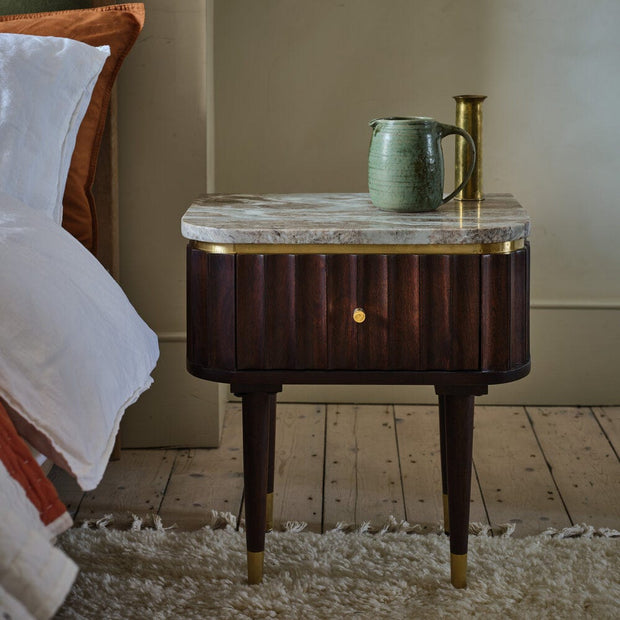
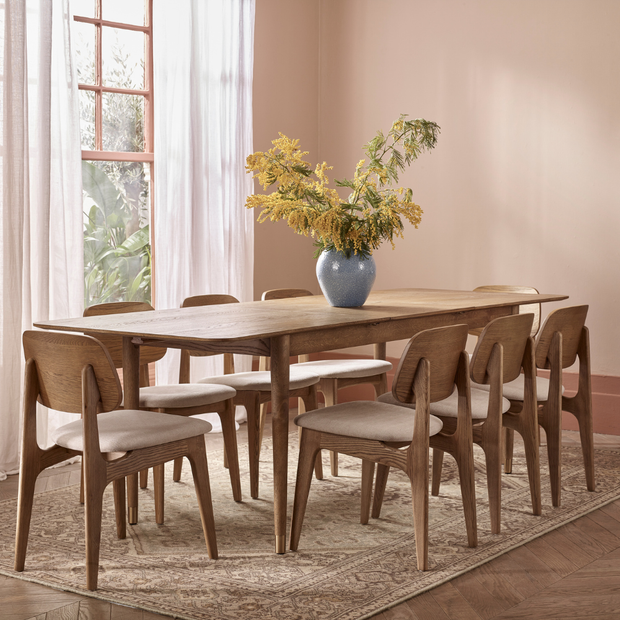
Maintenance and care for wooden furniture
To keep your wooden furniture looking beautiful for years to come, a little regular care goes a long way. Wood is not waterproof, heat resistant or immune to chemicals, so always use insulated mats under hot dishes and cups and avoid any protective covers that contain rubber derivatives, as these can react with the finish.
Cleaning wooden furniture
Wipe up any spills straight away with a clean, damp cloth, then follow with a dry cloth to remove any remaining moisture. Avoid harsh cleaners such as vinegar, lemon juice, scouring powders or cream cleaners, as these can be abrasive or too acidic for the finish. If your furniture becomes badly stained, scratched or chipped, or suffers other significant damage, it is best to seek professional restoration. Be mindful that clothing with transferable dyes, such as dark denim, can mark light-coloured finishes.
Maintenance and care for upholstery
Upholstered furniture benefits from a little routine attention to keep it looking and feeling its best. Because fabrics and fibre blends vary, no single method will suit every piece, so if you are unsure, we always recommend professional upholstery cleaning. Regular vacuuming with the upholstery attachment will help remove dust and grit that can cause abrasion and premature wear.
Velvet in particular needs gentle handling. The nap can flatten over time, so use a soft velvet upholstery brush to lightly brush the pile in the direction of the nap only. Brushing against the nap will damage the fibres. You can also revive velvet with a handheld steamer: hold the steamer just away from the surface so the fabric is lightly steamed without leaving condensation, allow it to dry completely, then brush the pile back down in the direction of the nap.
Professional cleaning is the most effective way to refresh a slightly soiled armchair or sofa, but consistent weekly vacuuming will mean you need it less often. Never use stiff fibre or metal brushes on any upholstery, as they can damage the weave. Take care with clothing that may transfer dye onto pale fabrics, and avoid sitting on the arms, back or very edge of cushions as this can cause distortion and long-term damage to the frame and fillings.
Cleaning upholstered furniture
Where possible, keep liquids away from upholstered pieces to minimise the risk of spills. If a spill does occur, act quickly and blot – rather than rub – the area with a clean, dry, absorbent cotton cloth. If you use paper towels, choose plain white to avoid any colour transfer onto the fabric. If a mark remains visible after careful blotting, we recommend arranging professional cleaning rather than attempting repeated treatments at home.
Never apply cleaning solutions directly to visible areas without testing first on a hidden section of the fabric to check for colourfastness and compatibility. If your furniture becomes stained, scratched or damaged in any way, professional help is the safest route to restoring it.
Misaligned doors
On occasion, doors can shift slightly in transit, but our fully adjustable hinges make it easy to bring everything back into line. First, ensure your furniture is in its final position and standing level. Each hinge includes a horizontal adjustment screw: turning it clockwise will move the door in, and turning it anti-clockwise will move the door out. To even out doors that appear slightly higher or lower on one side, adjust the top and bottom screws in small increments until the doors sit correctly.
If the door needs to move forwards or backwards, gently loosen the retaining screw at the back of the hinge, adjust to the desired position and then retighten. It can take a few attempts and small tweaks to achieve a perfect line, so adjust gradually and check as you go.
Sticking drawer runners
If a wooden drawer starts to feel a little stiff, a light application of wax to the sides and top of the wooden runners is usually enough to restore a smooth, easy glide.
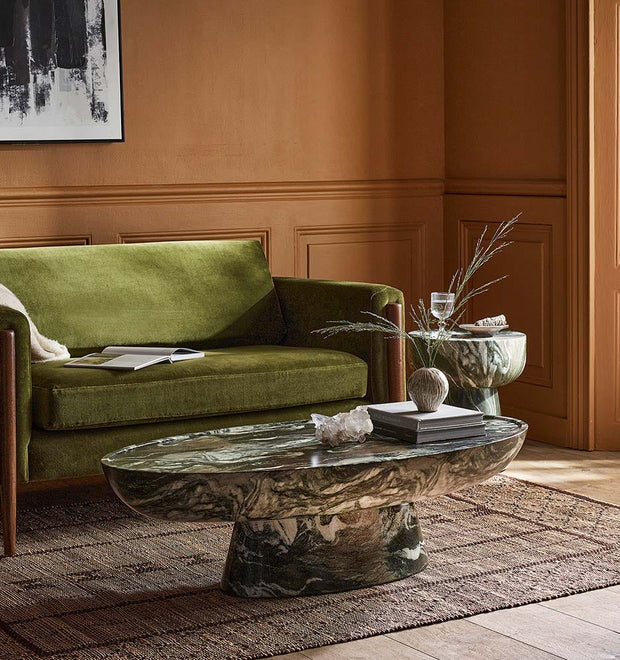
Maintenance and care for concrete and marble furniture
Concrete and marble pieces bring a beautifully solid, tactile presence to a room, but they do need considered care. Both materials can be marked by sharp objects, so avoid dragging pans, cutlery or crockery across the surface. Always use insulated mats under hot dishes and cups, and avoid protective covers with rubber components that could react with the finish.
To help prevent stains, place drinks and anything prone to marking – such as oils, preserves, tea and coffee – on coasters or table mats.
Cleaning concrete and marble
Wipe spills away immediately using a clean, damp cloth to reduce the chance of staining. Avoid acidic cleaners such as vinegar or lemon juice, and steer clear of scouring powders and cream cleaners, which may contain abrasives that can dull or scratch the surface. A specialist marble cleaner can be used sparingly on stubborn marks. For more serious staining, chips or damage, professional restoration is recommended.
Maintenance and care for metal furniture
Metal furniture offers a sleek, durable finish, but it, too, benefits from simple, thoughtful care. As with other hard surfaces, sharp objects and dragged crockery can score the finish, so always lift rather than slide items across the top. Hot dishes and cups should be placed on insulated mats, and rubber-backed covers are best avoided as they can react with certain coatings.
If metal surfaces come into contact with water or other liquids, dry them promptly to reduce any risk of rusting or water marks. Drinks and items that can stain are best placed on coasters or table mats.
Cleaning metal furniture
Spills should be wiped up straight away with a clean, dry cloth. For routine care, a soft, dry cloth is usually all that is needed to keep metal surfaces looking smart. If your furniture becomes stained, scratched or chipped, or sustains any other damage, we advise seeking professional advice on the most appropriate repair.
If you have purchased an item that is not covered in these guidelines, please get in touch and we will be happy to advise on the best care for your piece. Misuse or inappropriate treatment can cause damage, and we cannot accept responsibility for defects arising from this.


